Rare & Endangered Native Plants
The unique biodiversity of the Oregon Coast Range is home to specialized flora that exist nowhere else on Earth. These rare species are vital threads in our ecological web, providing critical support for local pollinators and maintaining the resilience of our coastal habitats against environmental changes.

Coast Range Fawn-lily (Erythronium elegans)
Endangered Species Gallery
The plants shown here are listed as threaten or endangered for the Oregon Coast Range.
To view photos of rare, but not necessarily endangered native species in the Oregon Coast Range, visit OregonFlora for vascular plant imagery or check the Institute for Natural Resources biodiversity catalogs.

Western Lily
Lilium occidentale
Endangered

Pink Sand Verbena
Abronia umbellata breviflora
Threatened

Early Blue Violet
Viola adunca
State Threatened

Kincaid's Lupine
Lupinus oreganus
Threatened

Nelson's Checkermallow
Sidalcea nelsoniana
Threatened

Pink Sand Verbena
Abronia umbellata var. breviflora
Endangered

Point Reyes Bird's Eye
Chloropyron maritimum ssp. palustre
Endangered
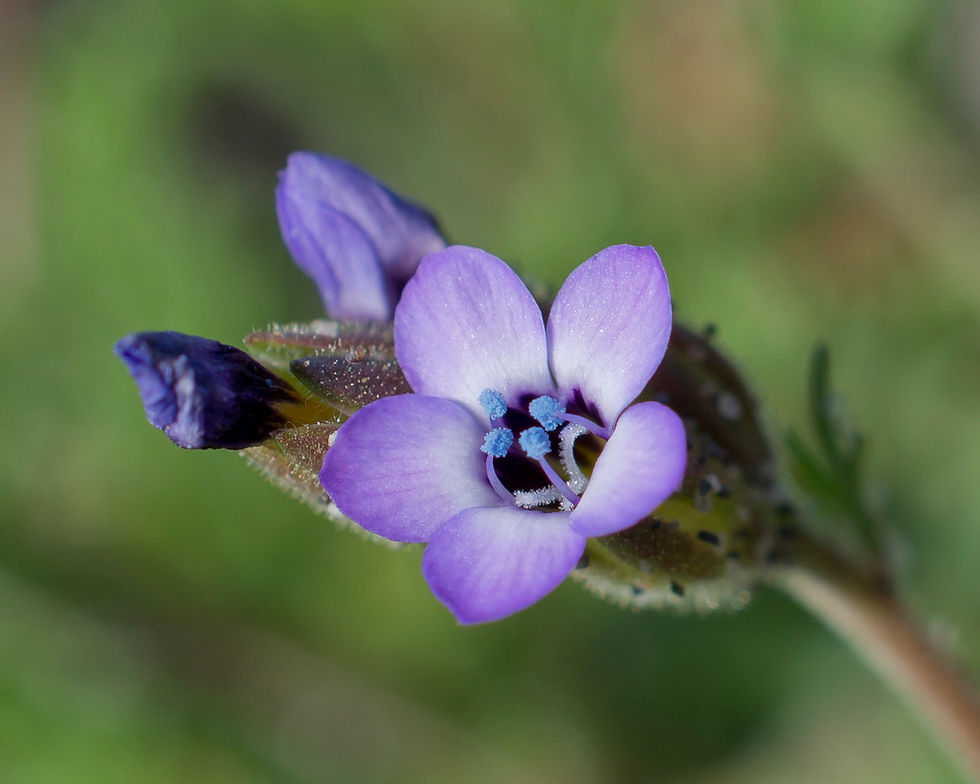
Seaside Gilla
Gilia millefoliata
Endangered

Coast Fawn Lily
Erythronium elegans
Status
What You Can do to Protect Rare Plants
Avoid Wild Collecting
Never remove rare plants from the wild; admire them in their natural habitat to ensure their survival.

Report Sightings
Help scientists track populations by documenting and reporting locations of rare species via NPSO.

Protect Habitat
Maintain native buffers and remove invasive species on your land to preserve fragile coastal ecosystems.

Ethical Sourcing
Always purchase native plants from reputable nurseries that use nursery-propagated stock only.

Lincoln County
Protective Projects
Lincoln County is home to some of Oregon's most fragile coastal ecosystems. Local conservation efforts focus on collaborative actions between government agencies, non-profits, and community members to ensure the long-term survival of our unique native flora.
-
Gorse Control: The Lincoln Soil and Water Conservation District (LSWCD) works to remove gorse, a highly flammable invasive shrub. By managing these infestations, they help protect nearby fragile coastal habitats from fire.
-
Strict Guidelines: Before clearing land or moving rare plant materials, private landowners and developers must get a Native Plant Conservation Permit from the Oregon Department of Agriculture (ODA) to protect listed species.
-
Restoring Riverbanks: People who live along important waterways, such as the Yachats River, can get help from the LSWCD Native Plant Program. They offer advice on planting native species that stabilize soil and support local ecosystems.
-
Community Action: Local agencies and nonprofit groups organize volunteer weed-pull events. These efforts remove aggressive invasive plants that would otherwise crowd out native wildflowers.

Join Our Preservation Efforts
Help us protect the unique biodiversity of the Oregon Coast Range. Whether you want to learn more about habitat restoration, volunteer for field surveys, or donate to support our conservation programs, your involvement makes a difference for our rare and endangered flora.