Early Spring Plants That Attract Pollinators to Your Garden
Spring arrives with a quiet urgency for pollinators. Native bees, butterflies, and hummingbirds emerge early, often before most plants have leafed out. This early window is critical. A few blooms in late March or early April can provide essential food when pollinators are still searching after winter. Choosing the right plants can make a real difference in supporting these vital creatures.
This post highlights five early-blooming native plants that attract pollinators and thrive in many gardens: Red-flowering Currant, Tall Oregon Grape, Osoberry, Salal, and Pacific Rhododendron. Each offers unique benefits and beauty, filling the early spring gap with color and nourishment.
Red-flowering Currant
Red-flowering Currant (Ribes sanguineum) is a standout early bloomer. Its clusters of bright red to pink flowers appear in late winter to early spring, often before leaves fully develop. This plant attracts hummingbirds with its tubular flowers, perfectly shaped for their long bills. Bees also visit, gathering nectar and pollen.
Pollinators attracted: Hummingbirds, native bees, butterflies
Bloom time: Late March to April
Growing conditions: Prefers well-drained soil, partial sun to light shade
Garden benefits: Provides early nectar, adds vibrant color, supports local wildlife
Red-flowering Currant is a hardy shrub that adapts well to garden settings. Its early blooms give pollinators a crucial food source when few others are available.

Tall Oregon Grape
Tall Oregon Grape (Berberis aquifolium) is known for its spiky evergreen leaves and bright yellow flowers. These flowers bloom early in the season, often in March, offering one of the first sources of pollen and nectar. The plant’s dense foliage also provides shelter for insects and birds.
Pollinators attracted: Native bees, early butterflies
Bloom time: March to April
Growing conditions: Thrives in partial shade, tolerates dry soils once established
Garden benefits: Evergreen structure, early pollen source, attracts beneficial insects
The yellow blooms of Tall Oregon Grape stand out in early spring gardens, signaling the start of the pollinator season.

Osoberry

Osoberry (Oemleria cerasiformis), also called Indian Plum, is a fast-growing shrub that flowers very early, often in late winter or early spring. Its small white flowers appear before the leaves, attracting native bees and early butterflies. Later, the plant produces dark berries that feed birds.
Pollinators attracted: Native bees, early butterflies
Bloom time: Late February to March
Growing conditions: Prefers moist, well-drained soil and partial shade
Garden benefits: Early nectar source, supports bird populations, fast growth
Osoberry’s early bloom time makes it one of the first plants to support pollinators emerging from winter dormancy.
Salal
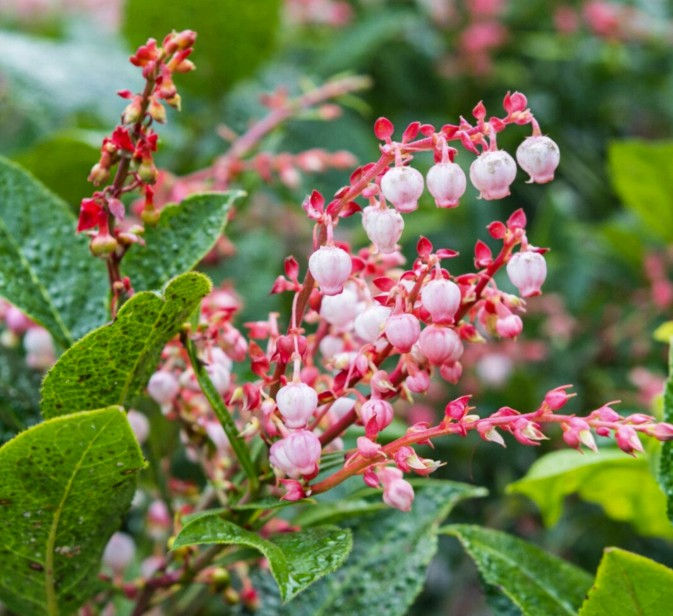
Salal (Gaultheria shallon) is a versatile evergreen shrub with leathery leaves and small bell-shaped flowers. It blooms in early spring, providing nectar for native bees and butterflies. Salal also produces edible berries later in the season, which attract birds and mammals.
Pollinators attracted: Native bees, butterflies
Bloom time: March to April
Growing conditions: Prefers acidic, well-drained soils and partial shade
Garden benefits: Evergreen ground cover, early nectar, edible berries
Salal’s dense growth habit helps prevent soil erosion and creates habitat for a variety of wildlife.
Pacific Rhododendron
Pacific Rhododendron (Rhododendron macrophyllum) is a large shrub or small tree with clusters of pink to purple flowers. It blooms in early spring, attracting hummingbirds and native bees. The flowers provide abundant nectar, supporting pollinators during a critical time.
Pollinators attracted: Hummingbirds, native bees
Bloom time: March to May
Growing conditions: Prefers acidic, moist soils and partial shade
Garden benefits: Showy flowers, supports pollinators, adds structure to garden
Pacific Rhododendron’s striking blooms make it a favorite for gardeners who want to combine beauty with ecological value.

Supporting Early Pollinators with the Right Plants
Early spring pollinators face a tough challenge: finding food when most plants are still dormant. By planting species like Red-flowering Currant, Tall Oregon Grape, Osoberry, Salal, and Pacific Rhododendron, gardeners can provide critical resources during this gap.
These plants not only support pollinators but also add seasonal interest and diversity to gardens. They attract hummingbirds, native bees, and butterflies, helping maintain healthy ecosystems.
Tips for Planting Early Bloomers
Choose native species adapted to your local climate and soil.
Plant in groups to create visible patches of color and nectar.
Provide a mix of sun and shade to suit different plants.
Avoid pesticides that harm pollinators.
Include a water source nearby to support wildlife.
By focusing on early bloomers, gardeners can create a welcoming environment for pollinators emerging from winter, helping them thrive throughout the season.
Supporting early pollinators starts with planting the right species. Red-flowering Currant, Tall Oregon Grape, Osoberry, Salal, and Pacific Rhododendron offer reliable blooms and nectar when it matters most. Adding these plants to your garden helps pollinators find food early, boosting their chances for survival and supporting the broader ecosystem.


Comments